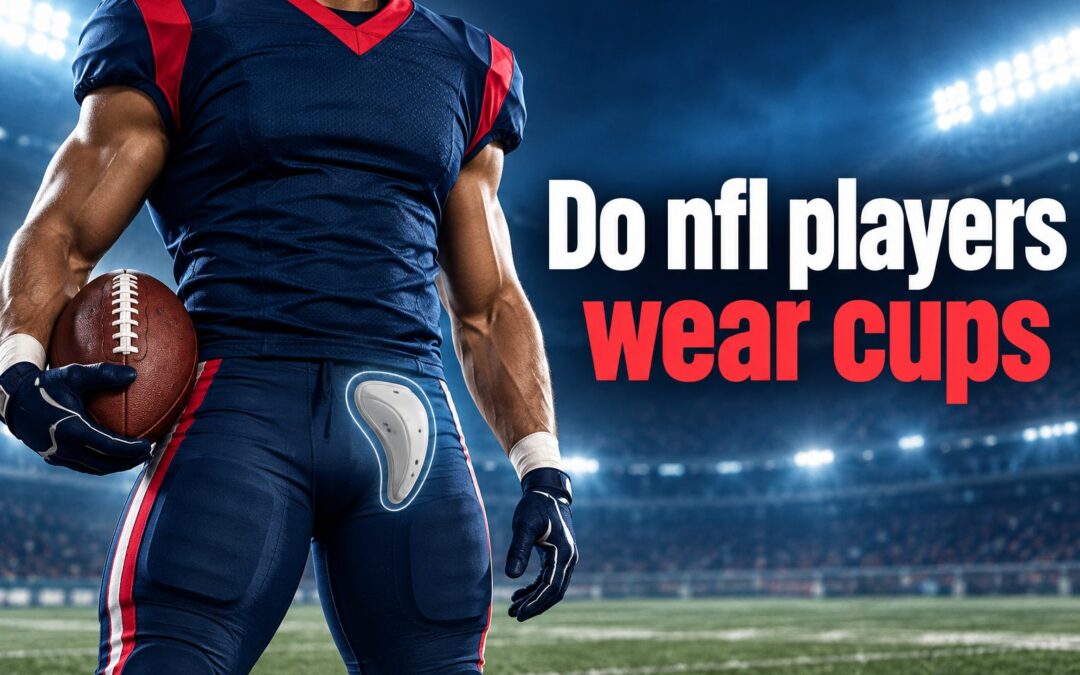
Do NFL players wear cups during games? The short answer is that most do not, although some players choose to wear protective cups based on personal preference, position, injury history, or comfort. Football involves frequent collisions, fast movements, and occasional impacts near the groin, so skipping this protective equipment may seem surprising. However, a traditional athletic cup can restrict mobility, shift while running, pinch the skin, and feel uncomfortable in a low football stance. NFL players therefore balance protection against speed, flexibility, and freedom of movement. Many rely instead on compression shorts, padded girdles, supportive underwear, and careful equipment fitting. This article explains why cup use is uncommon in professional football, which positions may benefit from extra protection, what alternatives players use, and how athletes can choose safer equipment without unnecessarily limiting performance.
Do NFL Players Wear Protective Cups
There is no single equipment choice shared by every professional football player.
1. Most NFL Players Skip Traditional Cups
Most NFL players reportedly choose not to wear a hard athletic cup during games or practices. The decision is mainly related to movement and comfort. Players must sprint, twist, jump, tackle, and quickly change direction, and a rigid cup may interfere with those actions.
2. Cup Use Is Usually A Personal Choice
A player may wear a cup if he feels more confident with additional groin protection. Personal anatomy, previous injuries, pain sensitivity, and equipment preferences can all influence the decision. Teammates playing the same position may therefore make completely different choices.
3. Cups Are Not Standard NFL Equipment
Helmets, shoulder pads, thigh pads, knee pads, and other items receive much more attention in professional football equipment systems. A protective cup is generally treated as optional personal gear rather than a standard piece that every player automatically receives and wears.
4. Some Players Use Cups During Certain Drills
An athlete who skips a cup during games may still use one during a contact drill, rehabilitation session, or practice period involving greater exposure. Equipment choices can change according to the activity, expected contact, current soreness, and advice from medical personnel.
5. Players Rarely Discuss The Choice Publicly
Protective underwear is a private subject, so fans should be cautious about assuming what a particular athlete wears. General observations can explain common football habits, but they cannot confirm the equipment choice of every player on every NFL roster.
6. Comfort Often Determines The Final Decision
Professional athletes test equipment repeatedly and quickly notice anything that affects their stride or stance. If a cup rubs, shifts, or limits hip movement, a player is unlikely to keep using it. A comfortable, secure setup has a better chance of remaining in place.
Why Football Players Often Avoid Cups
The demands of football make traditional groin protectors less practical than they are in some sports.
1. Hard Cups Can Restrict Hip Movement
Football movements depend heavily on the hips. Running backs cut sharply, defensive backs turn while sprinting, and linemen explode from low positions. A rigid protector between the legs can make these movements feel unnatural, especially when the athlete needs a wide range of motion.
2. Low Stances Can Cause Pinching
Linemen, linebackers, and other players frequently crouch before a snap. In that compressed position, an incorrectly sized cup may press into the thighs or pelvis. Even minor pinching becomes distracting when repeated dozens of times throughout a practice or game.
3. Cups May Shift During Contact
A football player can be pushed, spun, lifted, or driven into the ground. Those forces may move a poorly secured cup away from its intended position. Once displaced, it can become uncomfortable and may no longer provide dependable protection where it is needed.
4. Extra Bulk Can Affect Running Comfort
Players often prefer streamlined equipment beneath their uniforms. A bulky cup and supporter can create pressure during long sprints or repeated changes of direction. Although the added weight is small, the location of that bulk can make it especially noticeable to an athlete.
5. Direct Groin Impacts Are Less Common
Groin injuries can happen in football, but direct strikes to that area are less routine than impacts to the head, shoulders, ribs, thighs, or knees. Many players decide that the relatively limited risk does not justify wearing equipment that affects every movement.
6. Familiarity Influences Equipment Habits
Athletes often continue using the setup they learned in high school or college. If a player developed confidence and remained healthy without a cup, he may see little reason to introduce one later. Familiar equipment also helps performance feel predictable.
Groin Protection Alternatives In The NFL
Skipping a hard cup does not mean playing without support or protective clothing.
- Compression Shorts: Tight, flexible fabric supports the groin while reducing loose material, rubbing, and unwanted movement beneath football pants.
- Padded Girdles: Football girdles may include padding around the hips, thighs, and tailbone while holding other protective pieces securely in place.
- Athletic Supporters: Some players use supportive garments without inserting a hard cup, gaining stability while preserving a greater range of motion.
- Soft Protective Inserts: Flexible or lightly padded products can provide a modest barrier without creating the rigid feeling associated with traditional cups.
- Well-Fitted Football Pants: Properly sized pants and pads reduce shifting, prevent excess fabric from bunching, and help the complete equipment system move naturally.
- Position-Specific Padding: Players can adjust their protective setup according to where contact usually occurs and the movements their position requires.
How Playing Position Affects Cup Use
Each position creates a different mix of contact, speed, posture, and equipment needs.
1. Linemen Need Freedom In Low Stances
Offensive and defensive linemen begin many plays with deeply bent hips and knees. They also make forceful contact immediately after the snap. A hard cup may pinch or press uncomfortably, making flexible support garments more appealing for many players in the trenches.
2. Running Backs Make Frequent Sharp Cuts
Running backs accelerate through small openings and change direction while defenders grab at their legs and waist. Their equipment must remain stable through rapid movement. Any protector that shifts or restricts the hips can interfere with the fluid motion needed to avoid tackles.
3. Receivers Depend On Maximum Running Mobility
Wide receivers sprint at full speed, break suddenly, and extend their bodies to catch passes. They generally favor lightweight, close-fitting equipment that does not interrupt their stride. Compression garments often provide support with less bulk than a conventional protective cup.
4. Quarterbacks Face Unpredictable Contact
Quarterbacks are sometimes hit while standing upright and focused downfield, leaving little time to prepare for contact. Extra protection may sound useful, but quarterbacks also need smooth footwork and hip rotation. Their choice depends on balancing those competing concerns.
5. Defensive Backs Turn And Sprint
Cornerbacks and safeties repeatedly backpedal, rotate their hips, and accelerate toward the ball. Restricted hip movement can reduce their effectiveness in coverage. As a result, equipment that offers flexible support is often more practical than a bulky or poorly fitted rigid cup.
6. Kickers Have Specialized Movement Needs
Kickers and punters rely on a long, powerful leg swing. A cup that contacts the thighs or changes the natural path of the kicking leg could be distracting. Precise fitting is particularly important for any specialist who decides to wear additional groin protection.
How Players Choose Protective Equipment
A careful fitting process helps athletes balance safety, comfort, and performance.
- Review The Risk: Consider the player’s position, contact exposure, previous injuries, and personal concerns.
- Choose The Correct Size: Follow product measurements rather than assuming that one standard size will fit every athlete.
- Select A Secure Support Garment: Use compression shorts or a supporter designed to hold the selected insert firmly.
- Check The Playing Stance: Crouch, rotate, and widen the feet to identify pressure or pinching.
- Test Football Movements: Sprint, backpedal, cut, jump, and simulate position-specific actions before using the gear in contact.
- Inspect For Shifting: Confirm that the equipment remains centered during intense movement.
- Begin In Practice: Test unfamiliar protection in a controlled session rather than wearing it for the first time during a game.
- Request Professional Guidance: Consult an athletic trainer or medical professional when injuries, pain, or unusual fitting problems are involved.
Benefits And Limits Of Wearing A Cup
A cup can offer valuable protection, but its usefulness depends on fit and context.
1. Cups Can Reduce Direct Impact Force
A properly designed cup spreads the force of a direct blow around the protected area rather than allowing the full impact to strike sensitive tissue. This benefit is the primary reason athletes consider cups, particularly after an injury or frightening contact incident.
2. Protection May Improve Confidence
Some athletes feel less anxious when they know a vulnerable area has an added barrier. That confidence may help them focus on assignments and contact. However, protection is helpful only when the equipment fits correctly and does not create a new distraction.
3. A Cup Cannot Prevent Every Injury
No protective product makes an athlete immune to pain or injury. A cup may help with certain direct impacts, but it cannot eliminate strains, hernias, twisting injuries, or every possible contact angle. Players still need proper technique and medical attention when symptoms appear.
4. Poor Fit Can Create New Problems
A cup that is too large may strike the thighs, while one that is too small may fail to cover the intended area. Sharp pressure, rubbing, and repeated movement can irritate the skin. Correct sizing is therefore essential for both protection and comfort.
5. Mobility Costs Differ By Player
One athlete may barely notice a lightweight protector, while another may feel restricted by the same model. Body shape, running mechanics, stance, and position all affect the experience. Individual testing matters more than copying another player’s exact equipment setup.
6. Protection Must Remain Secure
A cup is only useful when it stays over the area it was designed to protect. Support garments that stretch, fit loosely, or collect moisture may allow movement. Players should check stability during realistic football actions, not merely while standing still.
Common Cup And Support Gear Mistakes
Several avoidable errors can make protective equipment uncomfortable or ineffective.
1. Choosing Equipment By Age Alone
Players of the same age can have very different body sizes and proportions. Selecting a cup from an age label without checking measurements may result in poor coverage or excessive pressure. Fit should follow the manufacturer’s sizing guidance and the athlete’s actual body.
2. Wearing A Loose Support Garment
Even a correctly sized cup can fail to stay centered if the supporting garment is loose. The athlete should check whether the holder stretches excessively during running and contact. A secure fit should limit shifting without causing numbness or uncomfortable compression.
3. Testing Gear Only While Standing
Equipment that feels comfortable in a locker room may pinch during a three-point stance or slide during a sprint. Players should recreate their normal position movements, including cuts and falls, before deciding that a protective setup is ready for practice.
4. Ignoring Pain Or Numbness
Persistent pain, tingling, numbness, or unusual pressure is not something an athlete should simply tolerate. These signs may indicate poor fit or a health concern. The player should stop, adjust the equipment, and seek qualified medical guidance when symptoms continue.
5. Using Damaged Protective Gear
Cracks, warped edges, weakened straps, and stretched fabric can reduce protection and comfort. Football equipment experiences sweat, repeated washing, and forceful movement, so regular inspection is important. Damaged items should be replaced instead of temporarily repaired for continued contact use.
6. Assuming More Bulk Means More Safety
A larger or heavier protector is not automatically safer. Excess size may shift, restrict movement, or contact the thighs during play. The best option provides appropriate coverage, stable positioning, and reasonable comfort for the player’s body and specific football role.
Best Practices For Football Groin Protection
Good habits help players make practical decisions without sacrificing necessary care.
1. Prioritize Correct Fit
Protection should fit the athlete’s current body rather than an old measurement or another player’s preference. The setup should remain centered without painful pressure. Growing athletes need regular fit checks because equipment that worked earlier in the season may become unsuitable.
2. Test Gear Before Game Day
New equipment should first be worn during light movement and then during a normal practice. This gradual test reveals rubbing, shifting, and mobility problems. It also gives the athlete time to try another size or product before competitive performance matters.
3. Keep Support Garments Clean
Compression shorts and supporters collect sweat and bacteria, which can contribute to odor, irritation, and skin problems. Players should follow the product’s care instructions and allow equipment to dry completely. Clean garments also maintain a more comfortable playing environment.
4. Replace Worn Components
Elastic loses strength, fabric stretches, and protective inserts can crack over time. A regular inspection should include seams, straps, edges, and the cup surface. Replacement is appropriate when the system no longer holds its position or shows visible structural damage.
5. Ask An Athletic Trainer
Athletic trainers understand football movement, common injuries, and equipment fitting. They can help a player evaluate discomfort or return safely after an injury. Their guidance is especially valuable when ordinary adjustments fail or the athlete experiences recurring groin symptoms.
6. Treat Sudden Injuries Seriously
Severe pain, swelling, nausea, bruising, or symptoms that continue after a groin impact deserve prompt medical evaluation. Protective equipment should never be used to hide an injury or justify continued play. Early assessment can identify problems that require timely treatment.
Youth Football Cups Compared With NFL Gear
Youth leagues may have equipment policies that differ from professional football practices.
Parents and young athletes should follow their league’s written rules instead of assuming that NFL habits apply at every level. A local organization may require specific protective equipment for practices, games, or particular age groups.
Young players are also learning how contact feels and how equipment should fit. Coaches and parents should create an environment where an athlete can report pinching, rubbing, or pain without embarrassment.
A child’s equipment needs can change quickly during growth. Compression garments, supporters, and cups should be checked throughout the season rather than purchased once and forgotten.
The professional game is not a universal equipment model. NFL players have experienced trainers, custom fitting resources, and mature bodies, so their personal decisions should not automatically determine what is appropriate for a young athlete.
When A Football Player May Consider A Cup
Several situations can make additional protection worth discussing.
- Previous Groin Injury: A medical professional may recommend added protection during recovery or after return to contact.
- Repeated Contact Exposure: Certain drills or playing situations may create more concern about direct impacts.
- Personal Anxiety: A properly fitted cup may help an athlete feel more comfortable participating in contact.
- League Requirements: Players must follow the equipment rules established by their team, school, or football organization.
- Medical Recommendation: Individual health conditions may justify specialized equipment selected with professional guidance.
- Successful Movement Testing: A cup is more practical when it remains secure and does not interfere with position-specific performance.
Frequently Asked Questions
1. Are NFL Players Required To Wear Cups?
Protective cups are not generally treated like standard mandatory football equipment for every NFL player. Individual choices may vary according to comfort, position, team practices, and medical advice. Requirements in youth, school, or amateur leagues can differ, so players should check their own rules.
2. Why Do NFL Players Risk Playing Without Cups?
Many players believe the mobility and comfort disadvantages outweigh the likelihood of a direct groin impact. They often use supportive compression clothing instead. This does not remove all risk; it reflects an individual performance decision based on football’s typical contact patterns.
3. Do Football Pants Protect The Groin?
Football pants hold several pads and can provide support, but ordinary pants do not offer the same direct impact protection as a hard athletic cup. Their fit may reduce shifting and loose fabric, yet sensitive areas can still remain exposed to an accidental knee, hand, or cleat.
4. Can A Cup Slow A Football Player Down?
The small amount of added weight is unlikely to cause a major speed change by itself. However, a bulky, shifting, or poorly fitted cup can affect stride comfort, hip rotation, and concentration. Properly fitted equipment is less likely to interfere with athletic movement.
5. Do NFL Kickers Wear Cups?
There is no universal choice among kickers. Their powerful leg swing makes unrestricted hip and thigh movement important, so some may avoid rigid protection. Others may choose a carefully fitted option. The decision depends on comfort, stability, personal preference, and medical considerations.
6. Should Youth Football Players Wear Cups?
Youth players should follow league requirements and guidance from parents, coaches, equipment staff, and qualified medical professionals. A cup may provide useful impact protection, but it must fit correctly and remain secure. The habits of professional players should not replace age-appropriate safety advice.
Conclusion
Most NFL players do not wear traditional protective cups, mainly because hard cups can restrict hip movement, pinch in low stances, or shift during intense contact. Instead, many players rely on compression shorts, athletic supporters, padded girdles, and carefully fitted football pants. The final choice varies by position, comfort, injury history, and personal risk tolerance.
Athletes considering a cup should focus on correct sizing, secure support, realistic movement testing, and regular equipment inspection. Younger players should also follow their league’s rules rather than copying professional habits. Whether a player chooses rigid protection or a flexible alternative, comfort should be balanced with sensible safety practices and prompt medical care for any significant groin injury.